


As an ultralight minimalist traveler, I’m always on the lookout for ways to pare things down to basics. How much can I simplify without compromising the enjoyment of a trip? Can I take something I once thought of as a fundamental, distill it down to a set of more basic essential elements, and then further parse and analyze the smaller parts and pieces? Thankfully, that’s right up my alley.
As a mechanical engineer, I love to break things down, take out the microscope, hone in on the minutiae, inspect all the finer details, find the weak points, and analyze them at length to not only to gain a greater understanding of how I work but also how the world works around me, all with the end goal of designing a better widget or improving an overall process. I find great comfort in dissecting it all, knowing that this process often leads to great insights both big and small and helps define some of the small differences found between needs and wants.
When it comes to sleeping, I’ve found that it boils down to this. All I really need for a good night’s sleep is a firm but slightly forgiving comfortable surface, a pillow that conforms to the shape of my liking, and a nice throw that maintains heat at an ideal temperature. If there’s a lot of noise and light around me when I’m trying to get some shuteye, a comfortable pair earplugs and an eye mask are pluses. There are many other extra bonus features I appreciate like a convenient place to charge my phone, a pair of earbuds to throw in if I have trouble sleeping, a stick of lip balm tucked away close by, and a water bottle stashed within reach, but these are really wants not needs.
I consider myself fortunate that these basic necessities can be met in many different forms and ways. Having the flexibility to choose between a lot of different options as to where I bed down for the night has opened up many doors that could’ve easily stayed stuck shut otherwise.
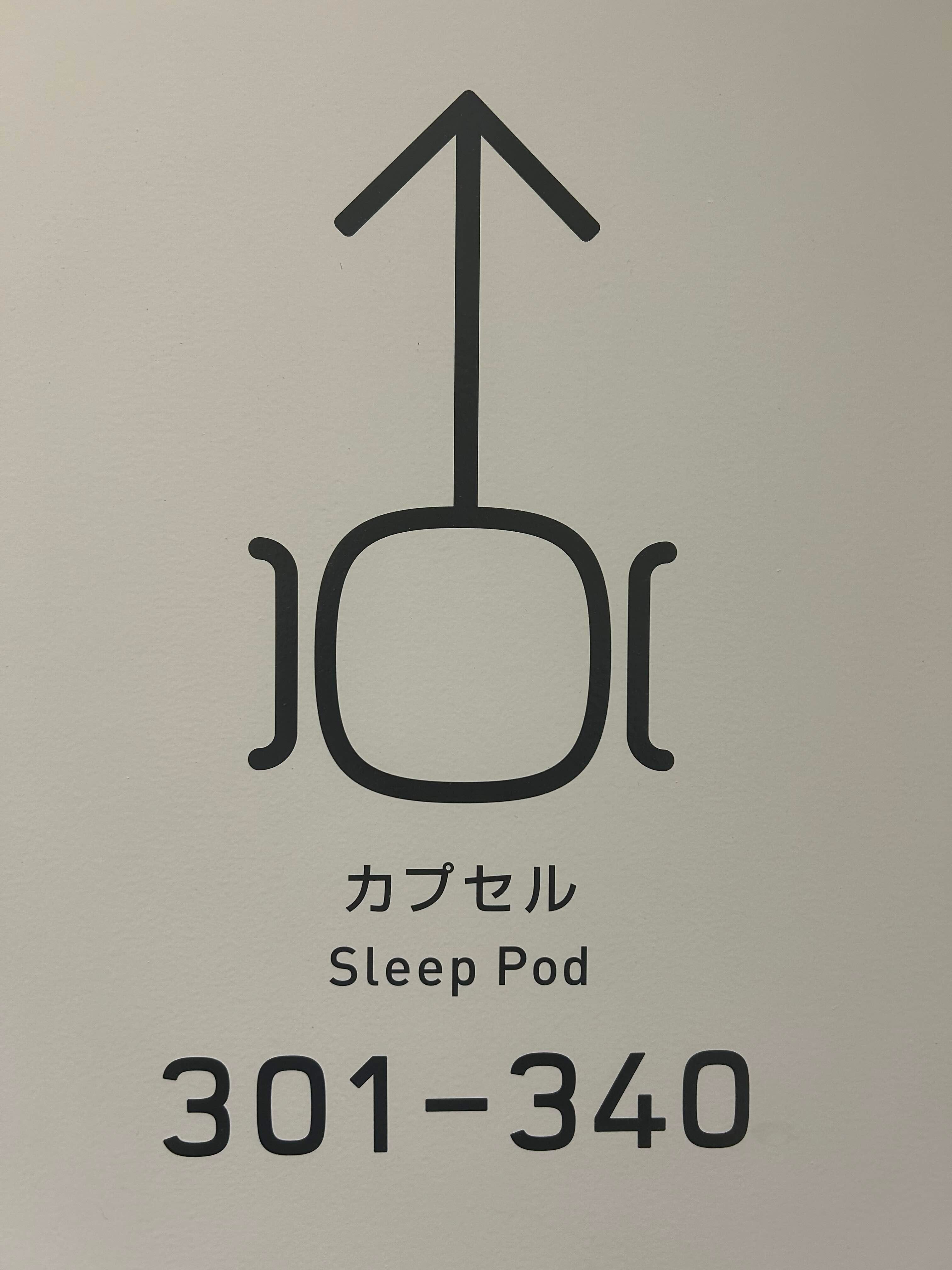
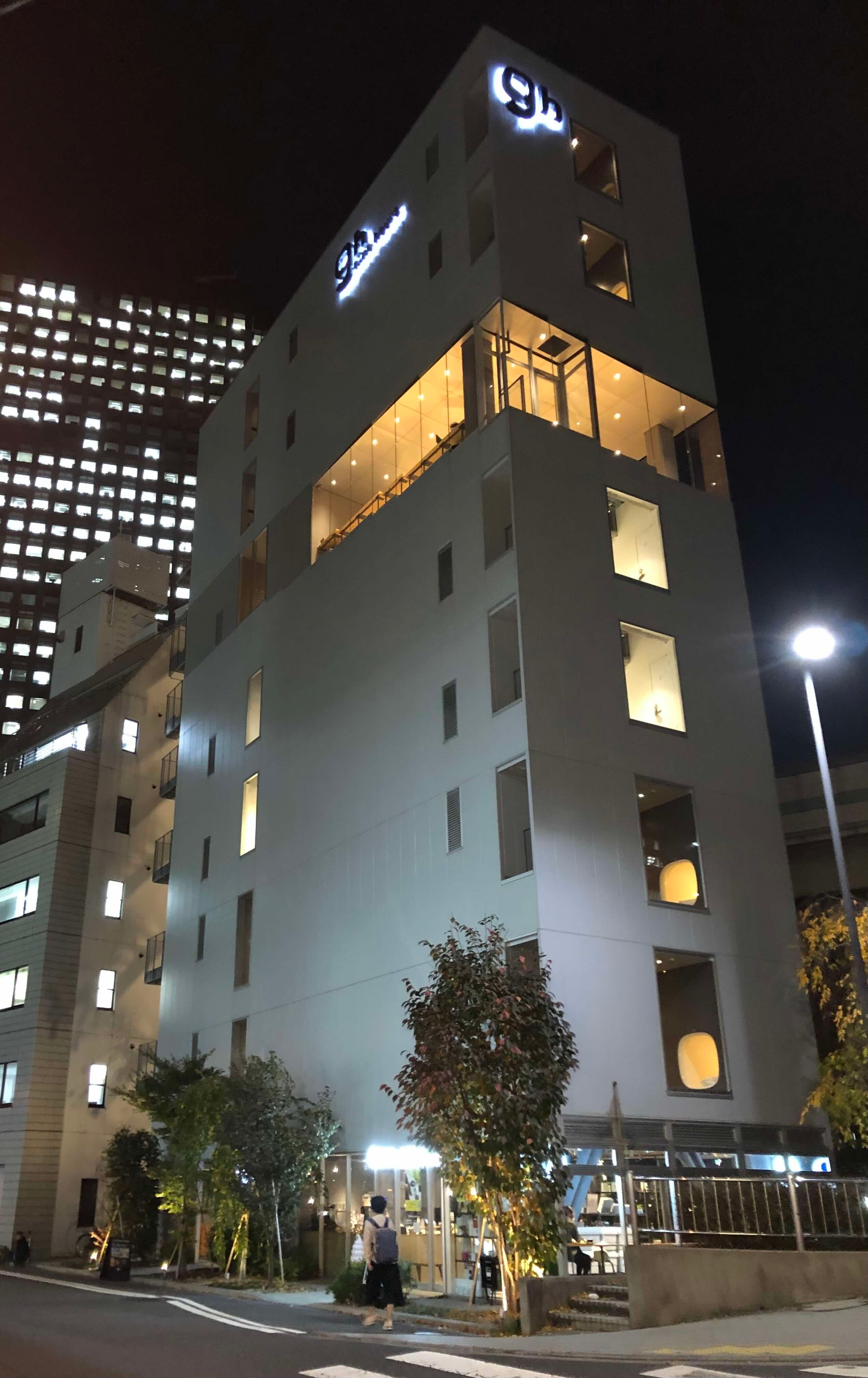
It’s been by keeping it simple that’s allowed me to thoroughly enjoy sleeping in the capsule hotels of Japan. These places come with all the essential elements needed to satisfy my own basic requirements at a fraction of the price of so many of the other types of accommodations found in Japan whether they be western-style rooms, Japanese business hotels, posh ryokans complete with tatami mats and sliding rice paper doors, short term rental apartments, or a bed in the local dorms.
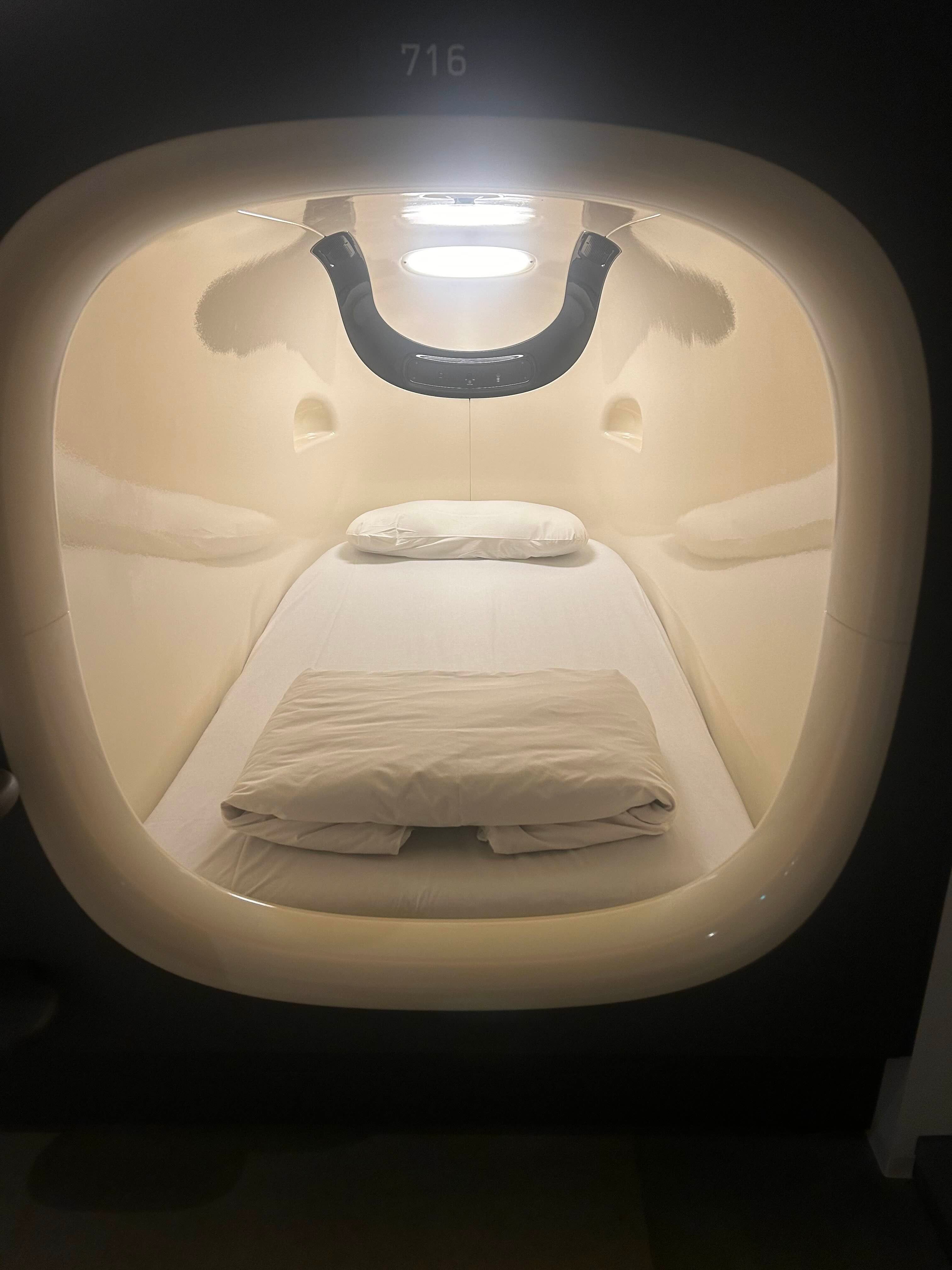
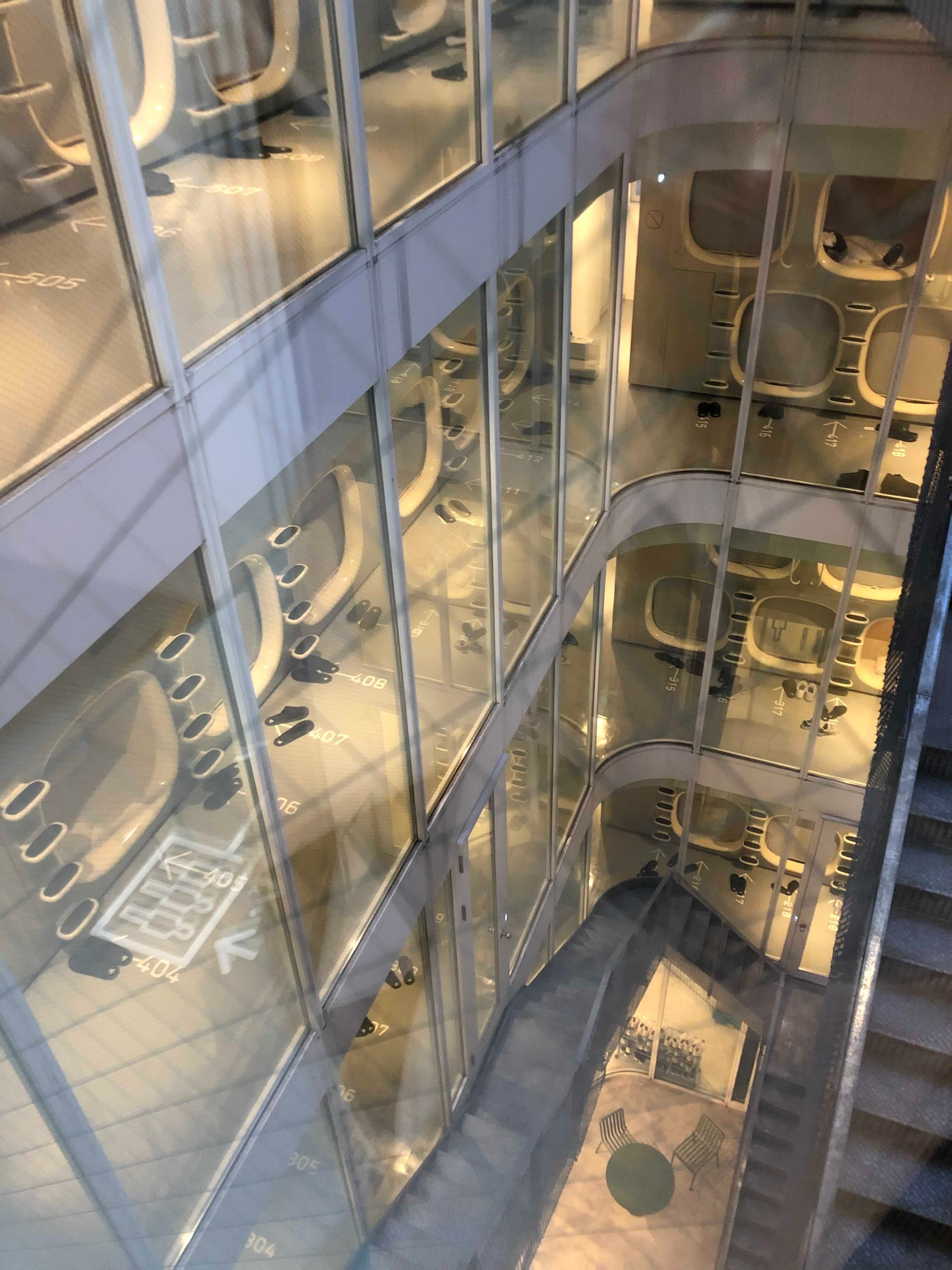
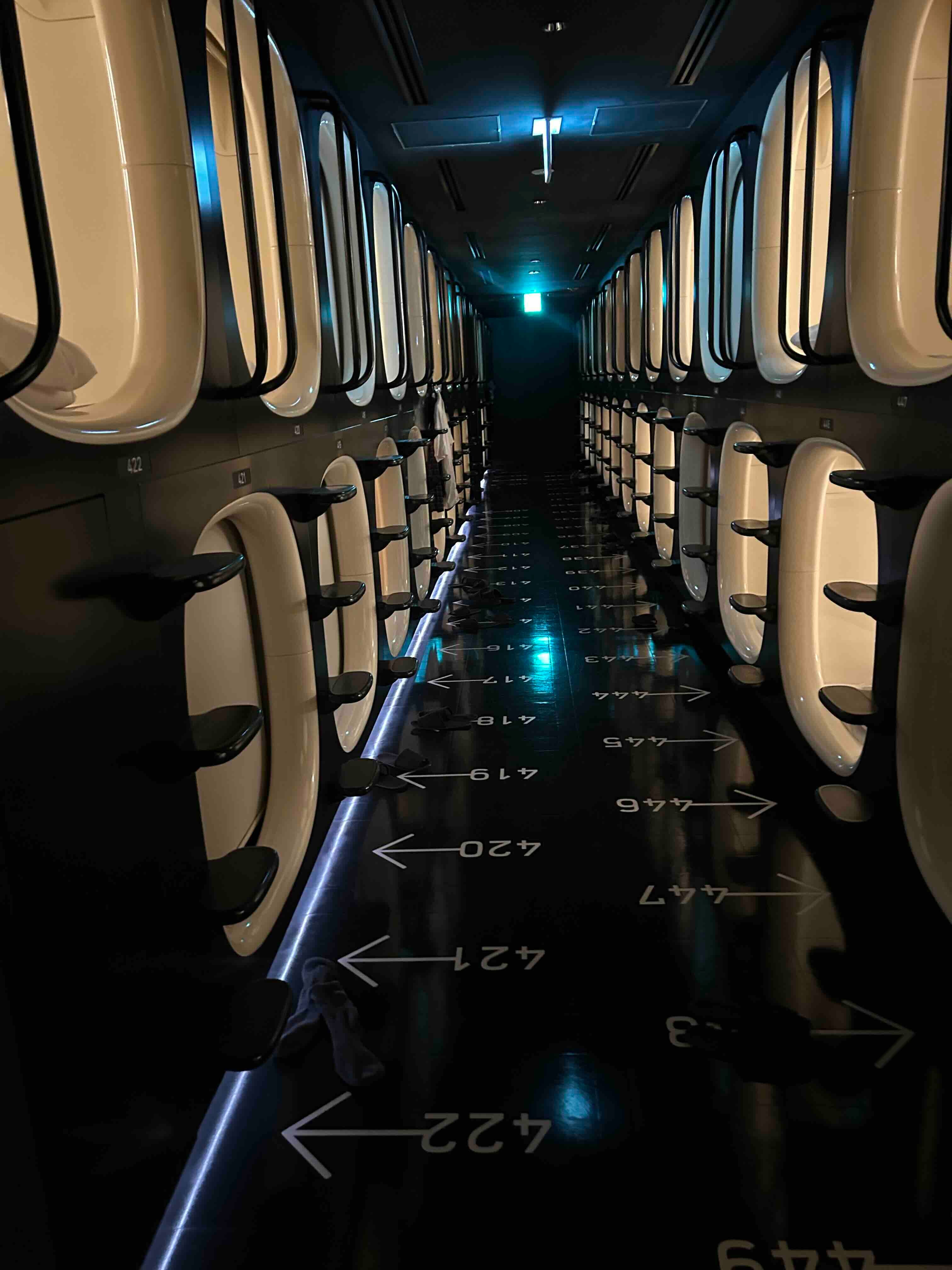
Standard features of a nicely furnished capsule hotel include a sleeping tube with a firm futon mat, a down comforter, a bean bag pillow, and a set of freshly laundered linens. At the back end of the sleep pod, they’ll likely provide a dimmable light, an outlet, and a couple of convenient shelves molded into the capsule sidewall for storing a few of your favorite knick knacks. Most importantly, at your feet, an opaque roll-up shade will be furnished to conceal you away from the outside world with all of its constant beckonings.
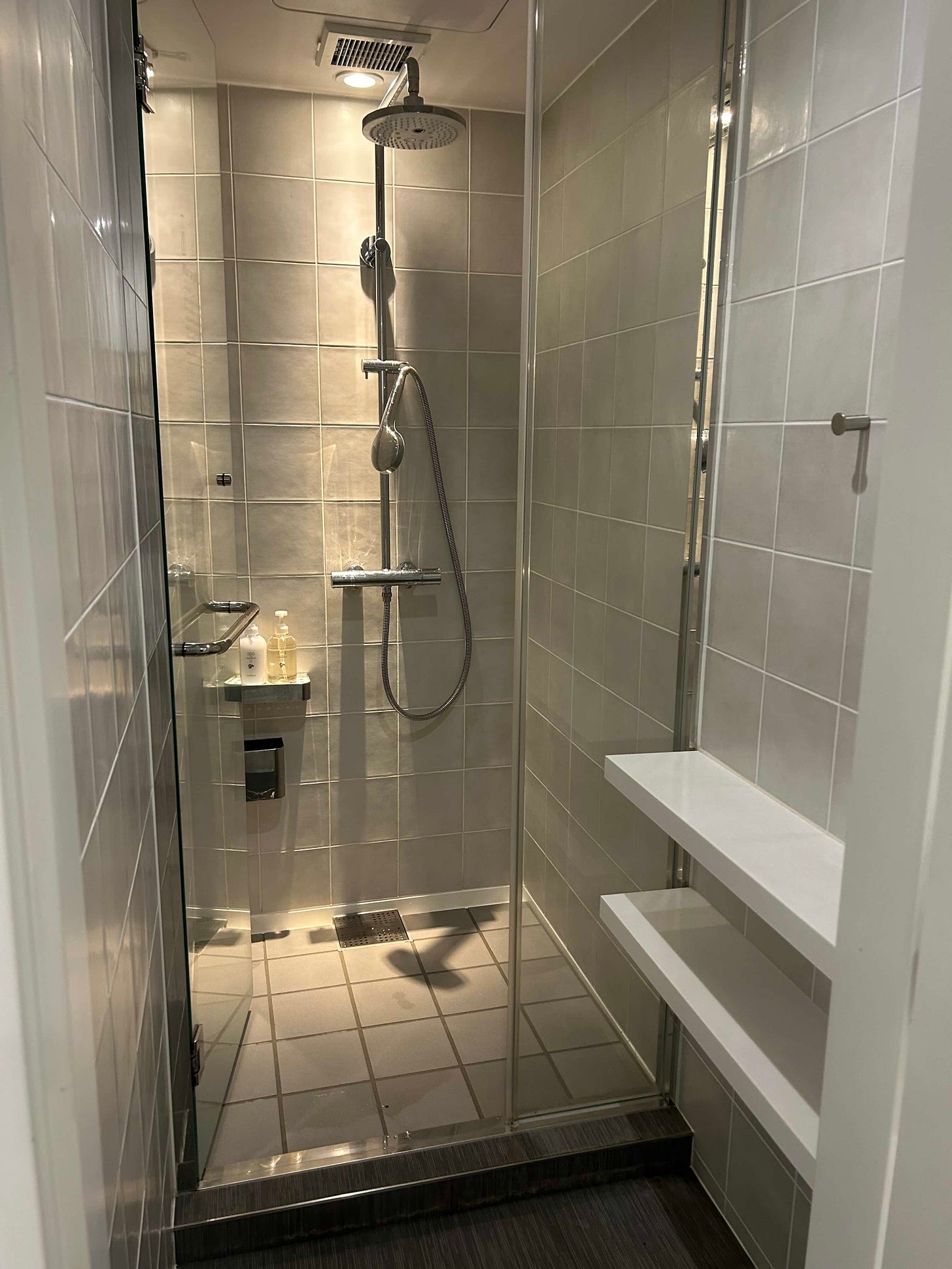
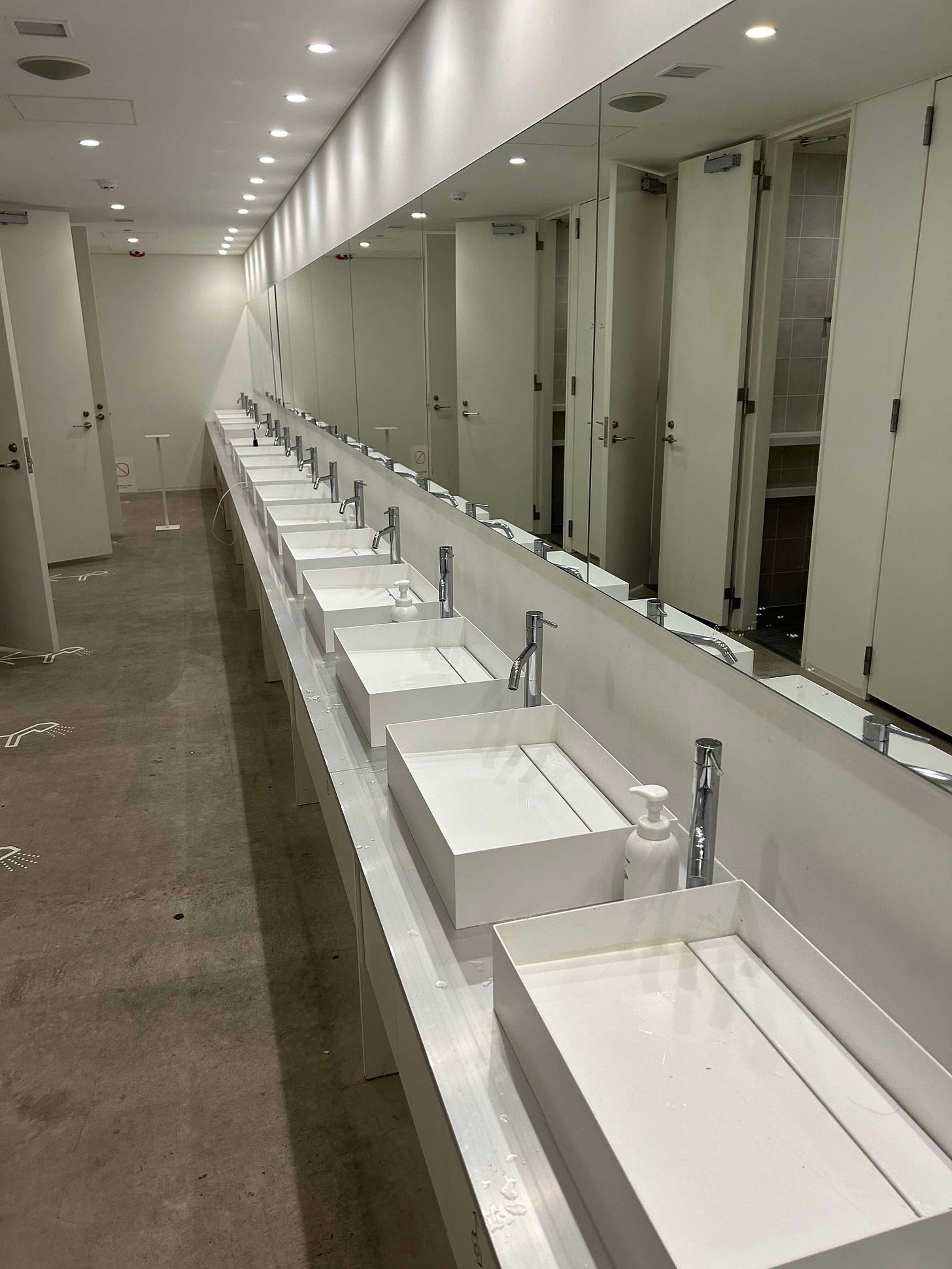
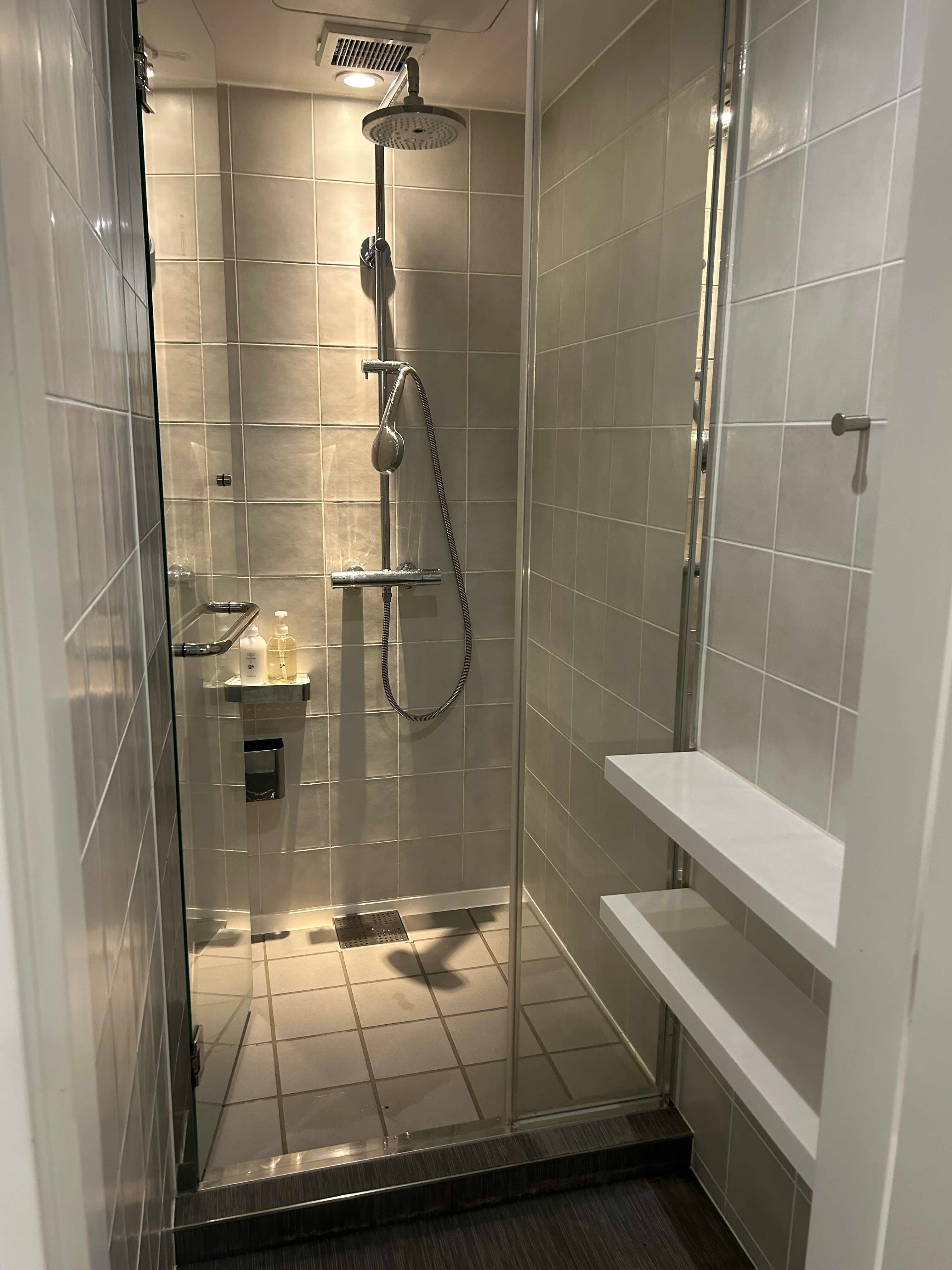
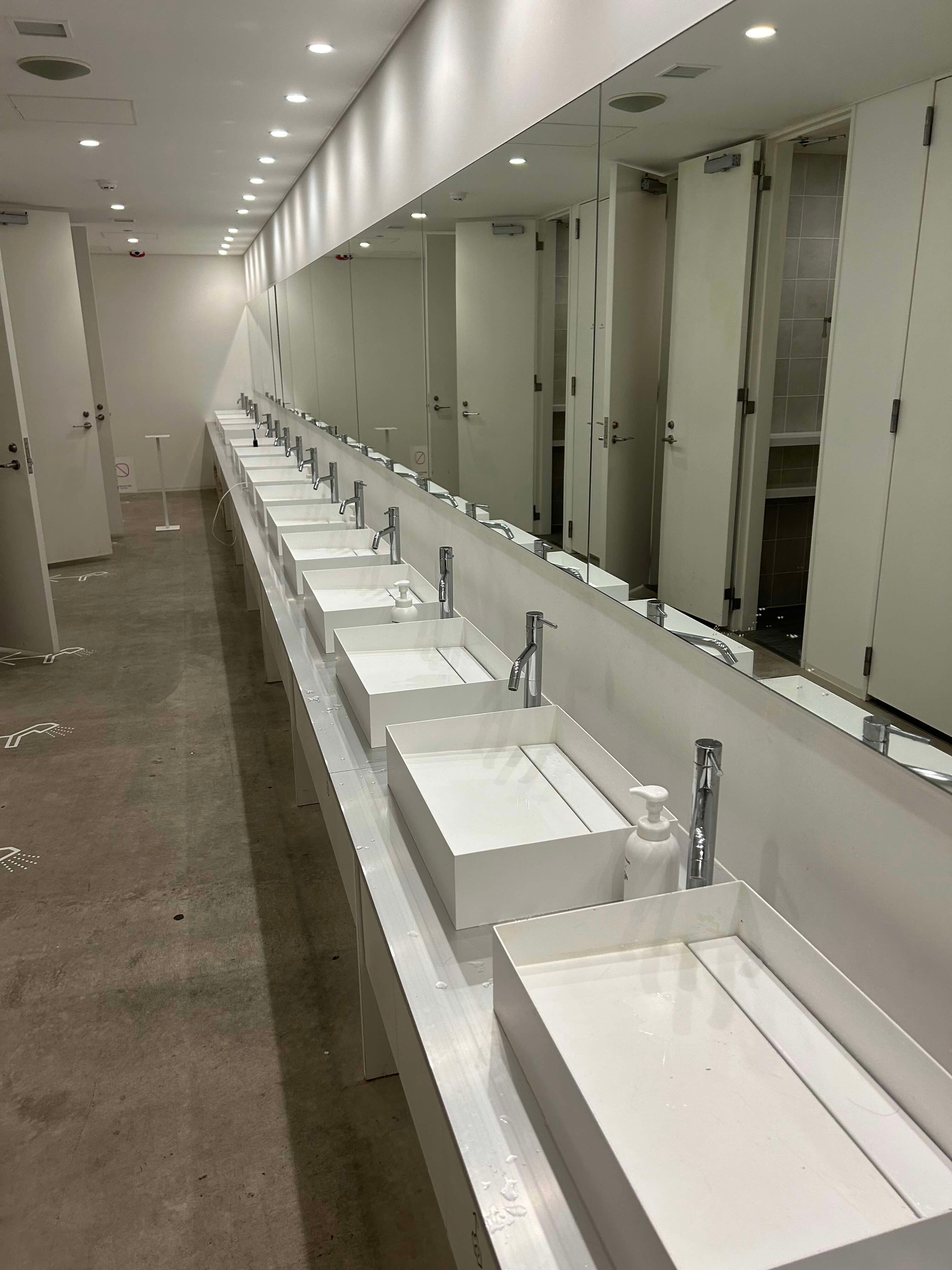
As for the restrooms, a set of toilets and sinks will sit just a few steps away down the hall to provide convenient relief. Banks of showers, more sinks, and a personal locker also await, but usually these are found on a separate floor. You’ll soon be rotating in and out of all these places with your newfound friends. And that’s not all. Because this is Japan, you’ll be provided with a pair of slippers and a robe to wear as you shuffle around the place. No street shoes will be allowed beyond the confines of the lobby, common spaces, or locker rooms.
Some of you may want to hear a little more about what it really means to sleep in a capsule before deciding to commit to one for the night. Knowing a few key things in advance may be helpful in determining whether you’re really ready to partake in this unique experience. Presented in no particular order below is a no-nonsense “lessons learned list” that would apply to most capsule hotel stays:
Top 20 Lessons Learned from Six Weeks in the Capsules
First and foremost, how claustrophobic are you? While the best capsule hotels take many strides to make their sleep bays seem a little less confining with generously sized sleep pods, light or bright colors, good air flow, well-placed windows, and other thoughtful design features that make your tiny world feel a little more spacious than it actually is, there’s simply no getting around the fact that you’ll be sleeping in a tube. If that thought gives you heart palpitations, don’t book a capsule.
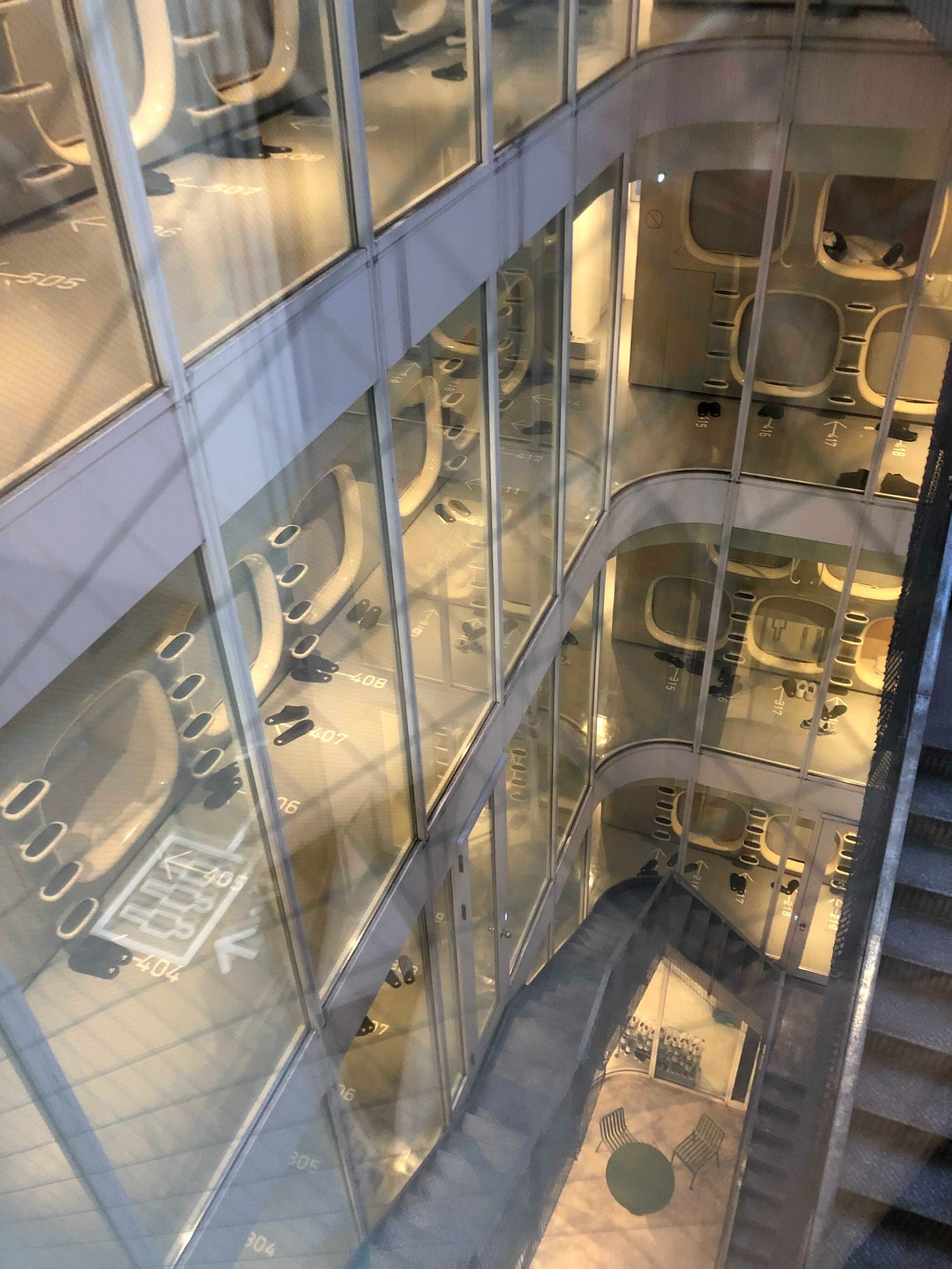
If you’re a light sleeper and/or can’t sleep with earplugs, don’t fool yourself into thinking you’ll get a good night’s sleep. Your newfound neighbors will be coming in and out of their nests at all hours of the day and night. There will be people snoring, coughing, farting, and sneezing. This wonderful soundtrack will be accompanied by the soothing sounds of privacy shades fluttering up and down and the lovely sounds of slippers shuffling along the hallways, pitter pattering back and forth on regular rotations. You’ll need to be able to comfortably and effectively tune out these distractions.
Are you light sensitive? Can’t stand wearing a sleep mask? Don’t bother staying in a capsule hotel. While the overhead light within your pod can be dimmed or fully extinguished, there will undoubtedly be some amount of ambient light that’ll sneak around the edges of your privacy shade and find its way to your eyes. Total blackout will not be possible. Stray light will filter in from the corridor, adjacent pods, and sometimes even a nearby window and bounce off the pod wall and reflect back up to your pillow at the far end of the tube.
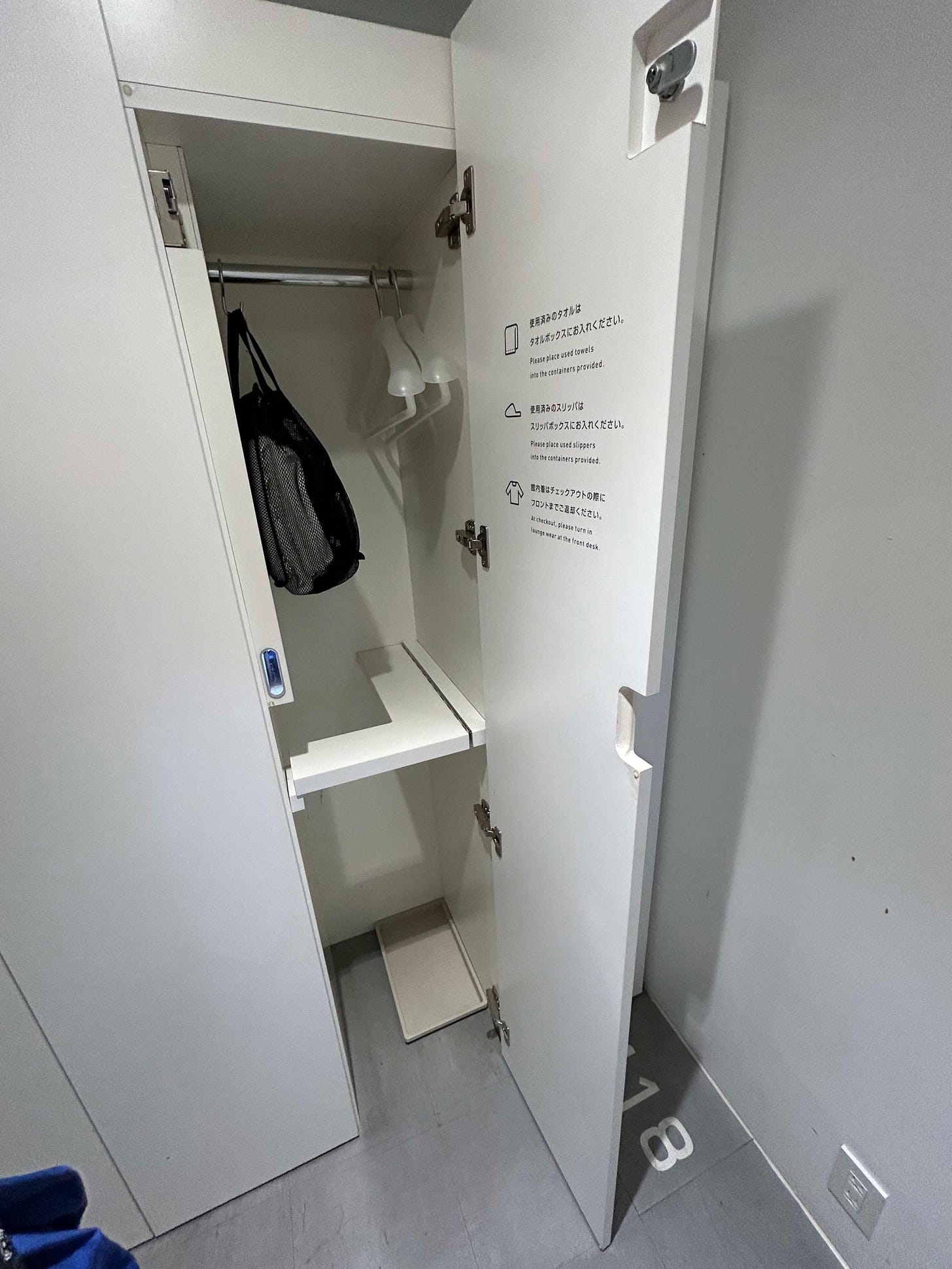
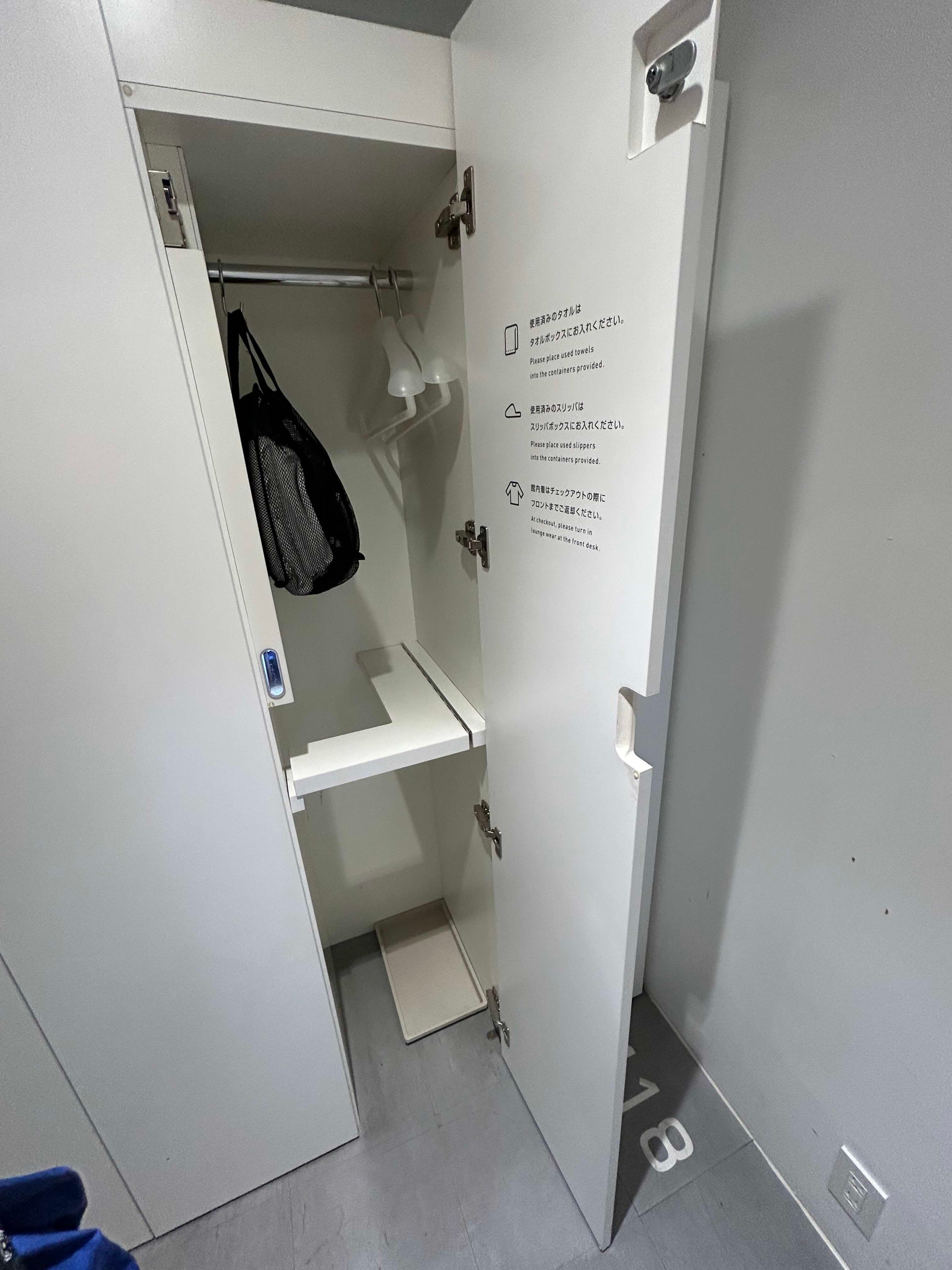
Don’t bring any luggage bigger than a small backpack. I’ve witnessed travelers trying to shoehorn all shapes and sizes of rollaboards, suitcases, and backpacks into the tight narrow confines of their lockers, most often with limited to no success. Large pieces simply won’t fit. They often can’t be successfully squished into the small narrow lockers without damaging the outer door (unfortunately, something I’ve witnessed of an uncaring and unthoughtful tourist). It’s important to remember that Japanese capsule hotels are principally designed for the salaryman looking for a convenient place to crash out at the tail end of a heavy night of drinking. They come with little to no luggage at all, save a satchel or two. The hotels are designed for quick sleeps, not for those looking to camp out and spread their stuff all over the place. While some hotels may allow you to store larger luggage pieces in a storage room somewhere on the property during your stay, it’ll surely be inconveniently located way down in the bowels of the building, far away from your locker and your sleep pod. Once tucked away, don’t expect to see it or any of its contents until you check out.
Checking in with a boatload of stuff that you’ve grown accustomed to just dropping off or stashing somewhere convenient? Good luck. Pare your belongings down to the basics before you even show up. Bring only items that’ll fit into a single narrow locker. Since you’ll only be given one locker, if you need more space than that, you’ll need to find your way out of the quagmire all on your own. Don’t expect that capsule hotel staff will come running to your assistance. Proper prior planning prevents piss poor performance. If you travel with an expansive wardrobe, a variety of footwear, an stout set of toiletries, a full collection of random knick knacks and doo dads, and perhaps some extra bulky camping gear to boot, do yourself a solid and book a conventional room elsewhere so you can properly manage your warehouse of stuff without inconveniencing all the others around you.
Stay organized. There’ll only be a tiny amount of space in the locker to arrange all your belongings. Staging will be difficult in the sea of lockers all around you with other guests busy at work getting to their own stuff right next to you or directly behind you. Convenient places to lay out your things on arrival, during your stay, or when you’re ready to pack up and go simply won’t exist. The less you bring, the better off you’ll be.
Bringing an assortment of small to medium sized storage bags will be helpful in keeping all your stuff organized in your small locker. While you’ll likely be able to carve out a spot to hang something, many of your other items will be shoehorned in and will block much of the way. You’ll need to get creative in order to successfully access all your stuff once stored.
When packing for your trip, keep in mind that the better capsule hotels out there will give you a bath towel, hand towel, bath mat, toothbrush, toothpaste, and a pair of slippers. Shampoo, conditioner, and body wash will be provided free of charge. No need to bring any of these things from home. Save yourself the space, the hassle, and the money.
Keep in mind that your locker will not be conveniently located next to the sinks, showers, toilets, and sleep pods. A set of small quiet fabric ditty bags may come in handy for shuttling your stuff back and forth between these far off locations.
Only bring “quiet” things to the sleep floors. You will be prohibited from bringing your luggage anywhere near the capsules. Don’t bring anything to the nest that has obnoxious zippers, loud snaps, or other stiff and rigid items that might bang against the interior plastic walls of your sleep pod. Replace anything that might be loud and crinkly (e.g., water bottles, plastic bags, etc) with softer more pliable options that won’t make any noise.
Most sleep pods and the facilities in which they sit are well-lit. No need to bring any extra headlamps, flashlights, or the like. In a pinch, you’ll likely have your phone to light the way.
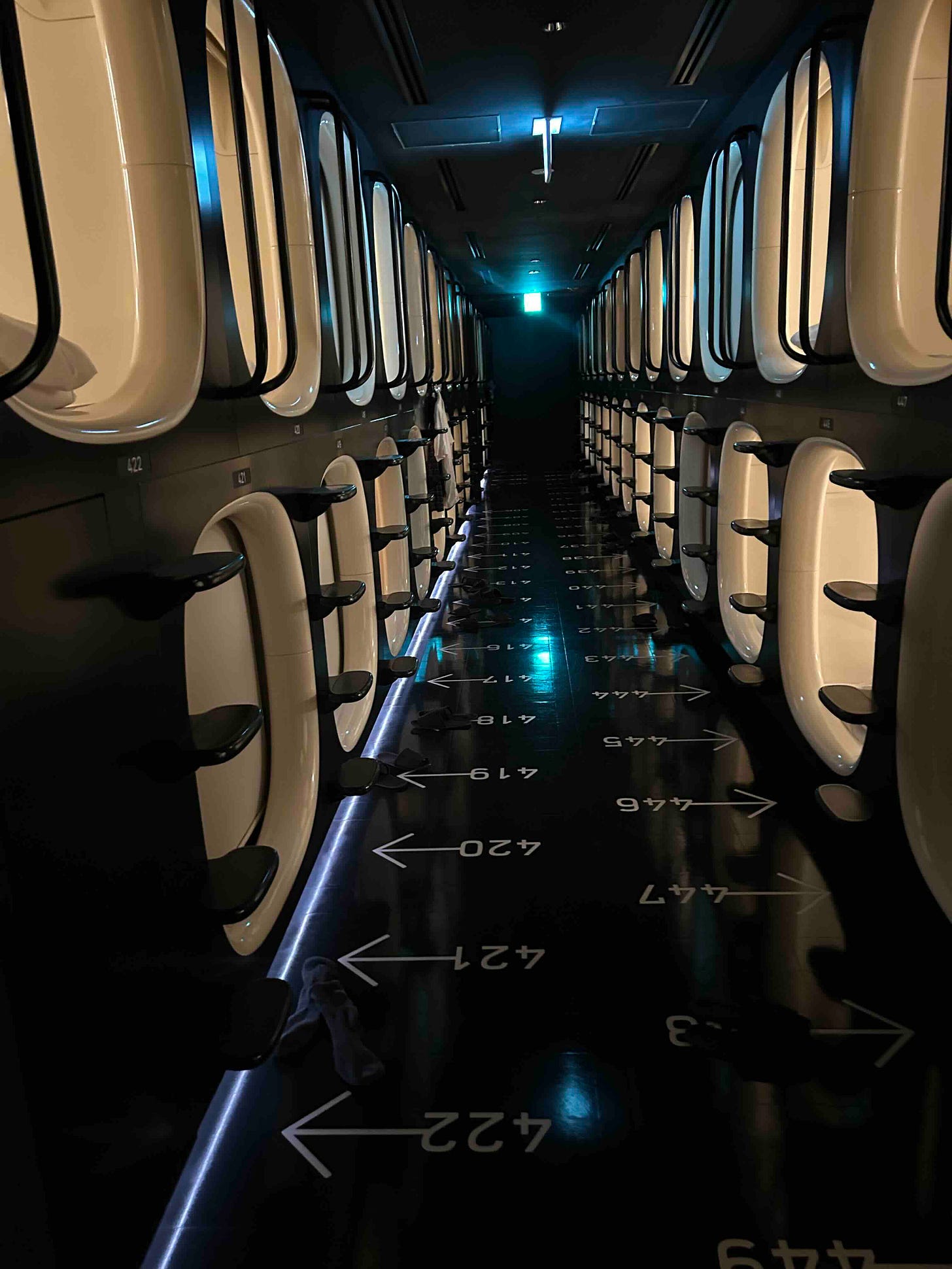
Don’t talk with others anywhere near the capsules. Use silent hand signals if need be. At all hours of the day and night, think of the capsules as a collection of dark and quiet bedrooms in a sleepy household. Remind yourself, as you exit the pod after a restful night’s sleep, that your neighbor may have checked in only a short time ago and is only just now falling off to sleep. Don’t think you’re safe during daylight hours. Some guests may be taking naps. Whatever the clock says, make it your goal to slip in and out of your capsule while making as little noise as possible. After all, you didn’t hear your neighbor come in, did you? Respect.
Laundry services are typically not provided at capsule hotels. Best strategies for minimizing laundry for the ultralight minimalist traveler will come under a separate post. For now, just know that there won’t be any good options for laundering your wardrobe within the hotel during your stay. For those thinking they’ll just use the sinks, keep in mind that there won’t be any places to line dry your clothes. Hanging your wet laundry out to dry in a common area will likely be strictly prohibited, let alone unthoughtful. Also, be aware that damp clothes stored inside your locker simply won’t dry. Plan ahead. Find a laundromat.
Keep facility closures in mind. Most places will require their guests to completely vacate the premises (perhaps save the common room) at regularly scheduled hours during their stay. This will likely occur between the hours spanning from late morning to mid-afternoon (typical housekeeping hours). For those that like to sleep their days away so they can party all night long, be forewarned that capsule hotels will not be a good fit. Stay somewhere else. Note that you won’t be able to access your sleep pod, locker or even the restrooms during housekeeping hours. Further, don’t walk in thinking you’ll be able to simply bend the rules to suit your needs. Remember where you are.
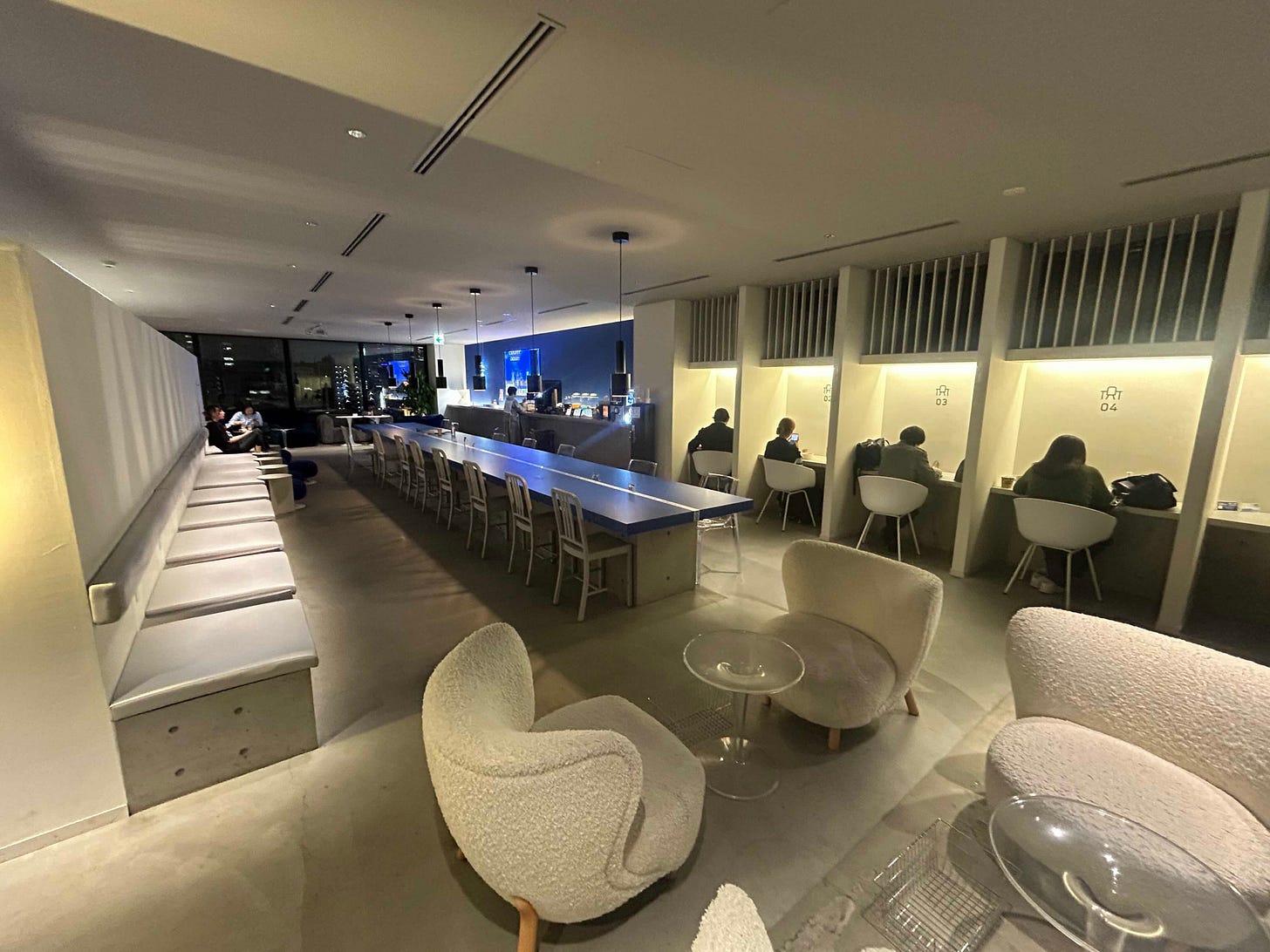
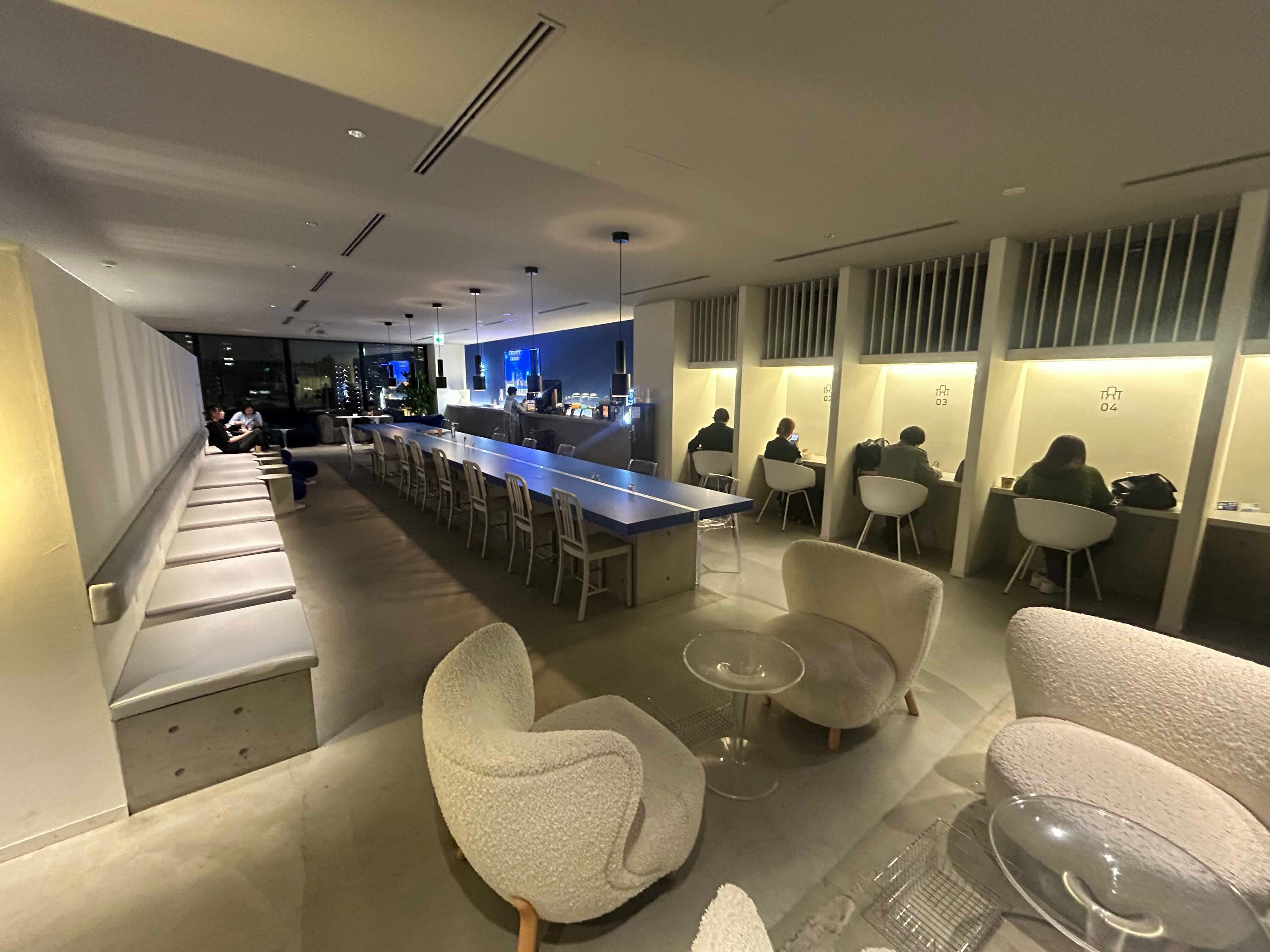
Common rooms come in all shapes and sizes. Nicer options come with a variety of comfortable seating choices and generous amounts of tabletop and counter space. Conveniently located charging outlets will likely be scattered throughout, making them nice places to read, write, eat, chill, and pass some time. The best of the best may be furnished with extras like bottled water, coffee, microwaves, plush seating (couches, love seats, etc.), and, if you’re lucky, great people watching spots. No matter, given that you’re in Japan, don’t expect that these will be social spaces. Respect the culture. Keep it quiet. If you want to yak it up, find another spot, outside the facility, and out of earshot of others.
Don’t expect to find kitchens, refrigerators, cabinets, or any other places to store your food and drink besides your own locker. Before booking, take a virtual tour of the neighborhood in which the capsule hotel sits and take note of any decent looking restaurants, grocery stores, or convenience stores located nearby. Note that, if you take any food or drink back to the hotel, the only place where you’ll be allowed to consume it will be in the common room. Don’t forget to clean up after yourself with not a single drop or crumb left behind.
Study the patterns. More often than not, shower rooms will be crowded and messy at predictable hours. Basic cleaning and housekeeping of the shower rooms is often done in the middle of the night to give things a quick facelift before for the morning crush. More thorough cleanings occur during the daytime when the hotel is closed. Adjust your schedule accordingly.
Keep your cell phone in silent mode at all times, not only in the pods, but at all other times as you travel throughout Japan. Don’t talk into it, don’t play anything on it without donning a set of ear buds set at low volume, don’t let it ding. Don’t even let it vibrate. Respect cultural norms by being as quiet as a mouse as you use your cell phone in public places, including all locations within a capsule hotel.
If you fall ill, do yourself and everyone around you a favor by checking out and moving to a more conventional hotel room. Infecting everyone around you while living in such close quarters and sharing common facilities is not only unthoughtful but also totally against the grain of Japanese culture. Adding insult to injury, the pods are echo chambers. One big cougher, sniffler, or sneezer can wake up the entire floor, even those with earplugs in, and ruin just about everyone else’s chances for a good night’s sleep. Capsule hotels that are more frequented by Japanese locals than foreign tourists will often be the better choices in this regard, for these will generally be filled with a greater population of more courteous community thinkers who will be much more mindful and respectful of their neighbor’s welfare than the average tourist.
Finally, ask yourself why exactly you’d want to sleep in a capsule hotel in the first place. Skimming off all the meaningless and superficial layers, what are your true motivations? Are they worthy? Don’t fool yourself and set things up for failure. When you’re recovering from jet lag, a horrible night’s sleep overseas may be the last thing you’ll want to do. Take a good honest look at what you’ll need to feel comfortable so that you can properly rest up for the long journey ahead. Though not easy to do, separate your needs from your wants. Distill them down to the basics so that you can honestly assess whether a night in a capsule hotel would be a good choice for you, or not.
So there you have it. Sit on it. Give it much more than a little bit of thought. This experience is not for everyone. For the cost conscience traveler, there will be plenty of other good choices that’ll be laid out before you as you travel throughout Japan, whether it be a hostel, a share house, a homestay, a budget hotel, or the like. Would a capsule hotel really be a good choice for you? Make a wise and well-informed decision.
As for my own experience as an ultralight minimalist traveller, after more than six weeks’ experience sleeping in a half dozen different capsule hotels scattered around the various back corners and pockets of Tokyo over the last decade, I’ve found I’m happy as a clam in them. I’m able to successfully slumber off into a deep sleep as I lay comfortably and securely enclosed in the small world of a sleep pod. I’d gladly repeat the whole experience again, again, and again.